part of what we do is called the "ministry of presence".
i like that.
i'm trying to move the building over to mangolandia.org
to consolidate and so on. so if you check here, and could figure out a way to check there, that would be great. there are a few different categories. i'm still figuring out the technology.
let me know if you have any suggestions
ankurbhai at mangolandia dot org
one love
ankur
15 November 2008


a note from denali in ahmedabad...
and second, from the book, For a Pagan Song, by Jonny Bealby, which i
found on the shelf in the ashram house and read.. a guy's account of
his journey from rajasthan thru pakistan to northern afghganistan
following the trail of some rudyard kipling characters, searching for
the last non-islamic pagan tribes of the remote northern mountains.
very well written. he went just as the taliban was about to take
power, too. this is from the first chapter, where he is on a train
across rajasthan which mysteriously stops, he sees a lot of nervous
chattering among the train officials, and the train backs up a half
mile to find the body of a guy who fell asleep in the door, then fell
out and split his head open. after a furious debate between the
conductor who says it's bad luck to bring the body on the train, and
the TC, who argues that after all he has a valid ticket to jodhpur
still in his pocket, so he ought to be entitled to use it even if he's
dead. plus, he might have a wife waiting for him. the TC wins, and
he is plunked back in a seat until jodhpur. this prompts our author
to say:
found on the shelf in the ashram house and read.. a guy's account of
his journey from rajasthan thru pakistan to northern afghganistan
following the trail of some rudyard kipling characters, searching for
the last non-islamic pagan tribes of the remote northern mountains.
very well written. he went just as the taliban was about to take
power, too. this is from the first chapter, where he is on a train
across rajasthan which mysteriously stops, he sees a lot of nervous
chattering among the train officials, and the train backs up a half
mile to find the body of a guy who fell asleep in the door, then fell
out and split his head open. after a furious debate between the
conductor who says it's bad luck to bring the body on the train, and
the TC, who argues that after all he has a valid ticket to jodhpur
still in his pocket, so he ought to be entitled to use it even if he's
dead. plus, he might have a wife waiting for him. the TC wins, and
he is plunked back in a seat until jodhpur. this prompts our author
to say:
*
But that's India- anything can happen and usually does. As one fellow
traveler put it to me: "It's the only place on the planet where
everything that has ever happened in the history of the world is
happening every minute of every day, right under your nose." He's
right. I mean where else could I have watched a cow casually give
birth in the middle of a three-lane inner-city ring road or seen
vultures swoop to pick the flesh of recently deceased humans? Where
else could I have observed a camel wandering the streets under a
mountain of straw while being shaved by a blind man on the pavement?
And where indeed at 3 in the morning after a riotous midnight dinner
could I have abandoned my dangerously drunk taxi driver in favour of
an enourmous elephant called Rubkali with "STOP-HORN PLEASE!" painted
across her arse? Though not always pleasant, travelling here is about
ten times more intense than anywhere else I've been; a vitality
unmatchable.
*
14 November 2008
pivotal moments in chaplaincy: for the love of the dharma
Pivotal Moments #1
It's out there, in a Fine Balance, somewhere:
An abusive cop
Beating our heroes
and taking bribes
besides.
Just to get lessons
for his daughter to play
the violin
Which of my luxuries
rest on terror?
Waves of great comfort
Lightness of load
When I get it,
there is no away from it.
We are made of violence,
and it's the suffering that binds us
together
Pivotal Moments #2
In the movie about sacred trust
and patients falling in love with their pastors
One monk, she said,
"they think they are in love with me,
but really it's the dharma they see"
Afterwards, after words
and silence besides,
I said without thinking --
"Do you think we ever really love each other,
or are we always in love with the dharma?"
She thought without saying --
"Now let's not think on this one..."
Then said to me, tearing --
"When I learned
as a child
that our fingerprints are all different,
I felt so incredibly alone."
It's out there, in a Fine Balance, somewhere:
An abusive cop
Beating our heroes
and taking bribes
besides.
Just to get lessons
for his daughter to play
the violin
Which of my luxuries
rest on terror?
Waves of great comfort
Lightness of load
When I get it,
there is no away from it.
We are made of violence,
and it's the suffering that binds us
together
Pivotal Moments #2
In the movie about sacred trust
and patients falling in love with their pastors
One monk, she said,
"they think they are in love with me,
but really it's the dharma they see"
Afterwards, after words
and silence besides,
I said without thinking --
"Do you think we ever really love each other,
or are we always in love with the dharma?"
She thought without saying --
"Now let's not think on this one..."
Then said to me, tearing --
"When I learned
as a child
that our fingerprints are all different,
I felt so incredibly alone."
11 November 2008
pilgrimage reduction
as an ode to reconstructing education, i'm here in the house of my highschoolenglishteacher, amidst the wind and the fury of a port city extended gingerly on the quimper peninsula. there are sleeping dogs and humans upstairs and my body pulses warm from yoga and delicious hot water. we worked for 10 hours yesterday, going over the "sometimes we walk alone" manuscript with shears and curiosity, melting pats of better and looking out for the confused reader. we got through 10 days (of the 26) and have another four hours this morning before i hitchhike back to sequim to teach a four-course cooking class on squash.
ironic perhaps that the buses don't run on veterans' day, when most of the regular passengers out here seem to be down-and-out veterans.
but i'm always thankful for an armistice, and even hopeful this season to see a few more.
last night, before we cooked dinner (pumpkin in a guajillo sauce, made into enchiladas) chris assigned me to take a chapter of the book and boil it down into a poem. a reduction he said. he's trying to speak my language, you see. so i tried -- the chapter was about an old man i met, 91 years old, who had met gandhi on the same road 76 years before, had his life changed, and spent the rest of it fighting for freedom, against the dictates of family and caste. i've probably posted that excerpt sometimes in the past.
march 14th : matar : reduction
--------------------------------------------
This can't be real
Pilgrims are supposed to be hungry,
touching the feet of their elders,
Hopeful, humble, invisible amidst the hubbub.
This can't be real
To walk into a foreign land
be trumpeted and garlanded
after long meditation on my unworthiness
They take me to the statue.
They take me to the fair.
And they take me to our grandfather
In India, family is life.
J. gave up his life to begin it.
To midwife a nation, besides
Beaten, tortured, and scorned
A shadow of a son's pain
of being a son, no longer,
to his father.
There's no turning back
The future is jail,
struggle, revolution, triumph
As our grandfather defines ahimsa
----------------------------
That's the poem and if I could boil it down to a sentence it would be "I mean, God Damn!". But chris liked it and maybe wants to destroy the book and replace it with poetry. But he's just like that and we've both known it for years. He has a friend and colleague who saw life and everything else in Rwanda, came away with a book of poetry that includes a poem that includes some sayings he learned there, including
"Let only laughter scar your face"
Which, I think, is even better than everything else.
love
ankur
05 November 2008

30 October 2008
artists for ahimsa
A note from Gandhiland to Mangoland. The famous Sonia de Otto, our dear sister, is holding a
"SynergicTraining Seminar for Artists of Ahimsa"
(english | spanish)
www.oraworldmanda.org
Like everything Sonia does, it should blow all of our minds. Do go if you happen to be in Gujarat this December...
~ ankur
"SynergicTraining Seminar for Artists of Ahimsa"
(english | spanish)
www.oraworldmanda.org
Like everything Sonia does, it should blow all of our minds. Do go if you happen to be in Gujarat this December...
~ ankur
29 October 2008
diwali greeting
it's the indian new year, or one of them, and i don't particularly know what to do other than what my elders tell me. this time it was, predictably, calling my elders ("superiors") and asking for blessings. which i find altogether natural, so yesterday night and today my mother and i spent a couple hours on the phone dialing india and new jersey and california and texas, calling on uncles and aunts and flute teachers and cousins and jayeshbhais (mentors) and friends and brothers and sisters.
it was incredible. pleasing. a rush. high. maybe from all the blessings. i had a vision of what hallmark, in its heart of hearts, beyond all the corporatism and commerce, is really aspiring towards. what if on national secretary appreciation day we really went and visited or called all the secretaries we ever knew, thanked them, and asked for their blessings and best wishes for the coming lunar year. lunacy. lunocracy. philocracy.
getting closer.
there was some sadness too in the long dark house with the sliding doors pointed south towards snow-covered peaks. warm days and clear nights in late october (as predicted). it's gorgeous september weather. perfect for scything and coming home to mulled appled cider. my mom had lit a few candles after the cooking class calmed down and i realized only when going to bed that Diwali is the festival of lights and lighting a candle is an integral part of the ritual. i can only imagine the other parts. big feasts and visiting families, special dishes and all night dances. it's big news everytime i go to india, six months before and after the party. and here we had a couple of sad vanilla candles and no dancing and no drumming and no flirting and certainly no marriages being planned. to the relatives' collective dismay.
so i recalled my cousin telling me it was only proper to make a "rangoli" (that is, a sort of intricate design) out of flowers, in the shape of an om, and place candles around and within it. so, in a desperate act of acculturation, i tenderly tore all the red flowers off my mother's only flowering houseplant, and assembled them into an anemic om on the checked tablecloth. with a vanilla candle a little to the left.
we're all doing the best we can. at home and in the hospital. for the new year, the new light, and the new love.
i just saw a patient, slightly confused (we say "demented" in the hospital). he thought we were in portland and was reminiscing for that great harborview hospital back in seattle. he said his son just left a 5-10 year career in a national professional sports league and was now a chaplain. we should talk. and he loves gandhi. he even told me "I love that man. Gandhi has a big heart. Like a lion.". And he was proud "Most people follow [Gandhi's] philosophy, his theology. All the American Presidents. Like Martin Luther King Junior."
I'd be proud, too. I'm proud that most people are into the Love if you have the angle light and the shimmering glare of ego and suffering don't blind you to what's really going on. I'm proud of the work everybody in this hospital is doing, proud of lovers driving each other to separation and partnership at airports, at comings and goings which reveal the strength of the ties below.
Blessed are the filmmakers and the rappers (you'll see: http://www.youtube.com/watch?v=Of5OJpEladg)
and
Blessed are those who cook for the homeless and the winos
and
Blessed are those who imitate the shadows and those who seek the flame.
After a short lifetime of worshiping the beauties of freedom and choice, independence and aspiration, I came yesterday face to face with the gorgeous surrender to duty. A woman thousands of miles away asked me to visit a friend of hers -- just because we're both in the same state, hours and busy schedules apart -- and I shocked myself at being So Damn Eager to perform the slightest service, to honor this woman who had treated me so well, took me in as a hungry son, taught me how to sort mangos. You get the idea. As Vanessa says in her yoga teacher training, "I stand ready to obey your least command".
ready and willing here we are. festival of vanilla candles and wilted pink flowers. doing the best we can. a poem to end with, that i read earlier to the gentleman over there:
Messenger
(by Mary Oliver, from _Thirst_)
My work is loving the world.
Here the sunflowers, there the hummingbird -- equal seekers of sweetness.
Here the quickening yeast; there the blue plums.
Here the clam deep in the speckled sand.
Are my boots old? Is my coat torn?
Am I no longer young, and still not half-perfect? Let me keep my mind on what matters,
which is my work,
which is mostly standing still and learning to be astonished.
The phoebe, the delphinium.
The sheep in the pasture, and the pasture.
Which is mostly rejoicing, since all the ingredients are here,
which is gratitude, to be given a mind and a heart and these body-clothes,
a mouth with which to give shouts of joy to the moth and the wren, to the sleepy dug-up clam,
telling them all, over and over, how it is that we live forever.
love
ankur
it was incredible. pleasing. a rush. high. maybe from all the blessings. i had a vision of what hallmark, in its heart of hearts, beyond all the corporatism and commerce, is really aspiring towards. what if on national secretary appreciation day we really went and visited or called all the secretaries we ever knew, thanked them, and asked for their blessings and best wishes for the coming lunar year. lunacy. lunocracy. philocracy.
getting closer.
there was some sadness too in the long dark house with the sliding doors pointed south towards snow-covered peaks. warm days and clear nights in late october (as predicted). it's gorgeous september weather. perfect for scything and coming home to mulled appled cider. my mom had lit a few candles after the cooking class calmed down and i realized only when going to bed that Diwali is the festival of lights and lighting a candle is an integral part of the ritual. i can only imagine the other parts. big feasts and visiting families, special dishes and all night dances. it's big news everytime i go to india, six months before and after the party. and here we had a couple of sad vanilla candles and no dancing and no drumming and no flirting and certainly no marriages being planned. to the relatives' collective dismay.
so i recalled my cousin telling me it was only proper to make a "rangoli" (that is, a sort of intricate design) out of flowers, in the shape of an om, and place candles around and within it. so, in a desperate act of acculturation, i tenderly tore all the red flowers off my mother's only flowering houseplant, and assembled them into an anemic om on the checked tablecloth. with a vanilla candle a little to the left.
we're all doing the best we can. at home and in the hospital. for the new year, the new light, and the new love.
i just saw a patient, slightly confused (we say "demented" in the hospital). he thought we were in portland and was reminiscing for that great harborview hospital back in seattle. he said his son just left a 5-10 year career in a national professional sports league and was now a chaplain. we should talk. and he loves gandhi. he even told me "I love that man. Gandhi has a big heart. Like a lion.". And he was proud "Most people follow [Gandhi's] philosophy, his theology. All the American Presidents. Like Martin Luther King Junior."
I'd be proud, too. I'm proud that most people are into the Love if you have the angle light and the shimmering glare of ego and suffering don't blind you to what's really going on. I'm proud of the work everybody in this hospital is doing, proud of lovers driving each other to separation and partnership at airports, at comings and goings which reveal the strength of the ties below.
Blessed are the filmmakers and the rappers (you'll see: http://www.youtube.com/watch?v=Of5OJpEladg)
and
Blessed are those who cook for the homeless and the winos
and
Blessed are those who imitate the shadows and those who seek the flame.
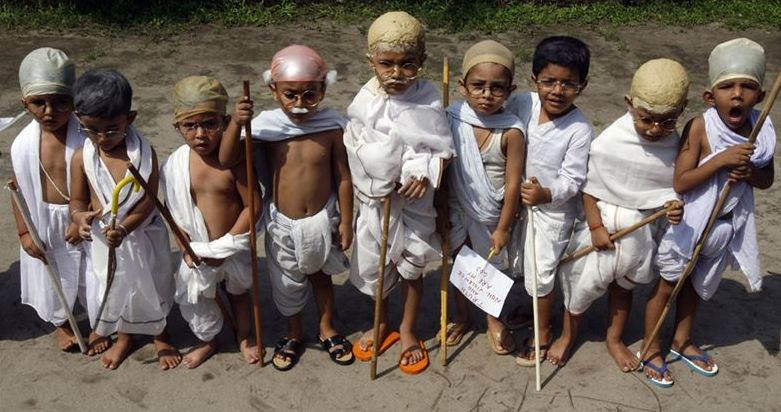
After a short lifetime of worshiping the beauties of freedom and choice, independence and aspiration, I came yesterday face to face with the gorgeous surrender to duty. A woman thousands of miles away asked me to visit a friend of hers -- just because we're both in the same state, hours and busy schedules apart -- and I shocked myself at being So Damn Eager to perform the slightest service, to honor this woman who had treated me so well, took me in as a hungry son, taught me how to sort mangos. You get the idea. As Vanessa says in her yoga teacher training, "I stand ready to obey your least command".
ready and willing here we are. festival of vanilla candles and wilted pink flowers. doing the best we can. a poem to end with, that i read earlier to the gentleman over there:
Messenger
(by Mary Oliver, from _Thirst_)
My work is loving the world.
Here the sunflowers, there the hummingbird -- equal seekers of sweetness.
Here the quickening yeast; there the blue plums.
Here the clam deep in the speckled sand.
Are my boots old? Is my coat torn?
Am I no longer young, and still not half-perfect? Let me keep my mind on what matters,
which is my work,
which is mostly standing still and learning to be astonished.
The phoebe, the delphinium.
The sheep in the pasture, and the pasture.
Which is mostly rejoicing, since all the ingredients are here,
which is gratitude, to be given a mind and a heart and these body-clothes,
a mouth with which to give shouts of joy to the moth and the wren, to the sleepy dug-up clam,
telling them all, over and over, how it is that we live forever.
love
ankur
17 October 2008
a poem by becca hall
SHOCK AND AWE
They declared war tonight. Already
guns assemble in that desert far away.
And here where it is raining good California rain,
here where spring knocks at the ground's door,
eager, nervous, bringing flowers; here,
where the air swoons with roses, wearing jasmine
in her hair, I wish I could say to you, Love me.
We've gone walking. It is night.
Street lights make hollows for the rain
to fall through, and even the cars
spray as gently as your hand would feel
in mine. But your hands are your own
and you have made them fists.
One thing we agree – this night is no place
for war. The question: our part.
Violence has its time, you say,
speaking I think of some righteous
revolution. Everything its season.
I say, look at the buds just forming
on the thorn branch. Look how we walk
as if we love each other. How tender
the night is, each light a silver armful.
All across the sidewalk the snails come,
woken by rain, leaving moon-trails
over the damp concrete, seeking each other.
They are so many, I cannot keep
from crushing them. Their shells shatter
under each guilty, tender foot.
03 October 2008
the prison/hospital/ashram context
This morning I got to see a patient who needed medical care during her
time at the King County Jail. There's a hell of a story but the
important parts is that she is smart enough to be writing books about
her life instead of living it. She meditates when she's not too
connected to the vices to do so, so I'm going to bring her one of the
little books on meditation that Reverend Heng Sure gave me a few
months ago, at the Berkeley Buddhist Monastery. And then I remembered
this passage from Vinoba and couldn't help typing it up...
time at the King County Jail. There's a hell of a story but the
important parts is that she is smart enough to be writing books about
her life instead of living it. She meditates when she's not too
connected to the vices to do so, so I'm going to bring her one of the
little books on meditation that Reverend Heng Sure gave me a few
months ago, at the Berkeley Buddhist Monastery. And then I remembered
this passage from Vinoba and couldn't help typing it up...
Prison Life
----------------
It was in jail that I experienced real Ashram life. All I had were a
few clothes, a tumbler and a bowl. What place could there be for
following the vow of 'non-possession'? Bathing, eating, working were
according to rule, going to bed and getting up by the bell -- a
perfectly regular life! One was not even allowed to fall ill! The vow
of control of the palate was practiced every day; even the Ashram was
not a better place for that. There was also plenty of time for thought
and reflection. So even the jail could be made a part of the spiritual
exercise of Ashram life.
I was even given a period of solitary confinement in a cell measuring
nine feet by eight. In one corner was a stone hand-mill and in another
an earthenware piss-pot. There was no work to do, no book to read, no
pencil or paper, no chance even to go out. It was enough to drive a
man mad.
However, I drew up a daily timetable for myself: ten hours for sleep,
two or three hours for meditation, about three hours for eating,
bathing etc., and eight hour for walking up and down. I covered at
least ten miles each day, reckoning my speed at about one and a half
miles an hour. As I walked I sang all the hymns I knew by heart.
Once I was pacing to and fro like this at about one o'clock at night,
engrossed in thought. The warder came on his rounds, and puzzled at
seeing me walking about, he knocked on the door. As I was completely
absorbed I failed to respond, and the poor man became alarmed. He came
in and shook me and asked me what was the matter. I tried to explain
what I was doing and what the fruits of such contemplation might be,
and he was very pleased. The very next day I receive a real boon - he
arranged for me to walk a short time daily in an open place.
I felt quite at ease in that cell. During the night I would meditate
for about three hours, and one of the warders, who noticed this, would
come and sit near me. One day he came with a lantern, and found that
my eyes were closed. After waiting for some time he said: 'Babuji, may
I speak to you?' I opened my eyes and he said: 'I am leaving tomorrow.
Please give me some teaching to guide me.' Seeing me sitting every day
with closed eyes he thought me some sadhu or yogi. So I gave him a few
suggestions to satisfy him, and he went away happily.
I was kept in that cell for fifteen days, and during that time I
realized the meaning of that verse in the Gita, which says: 'One who
sees non-action in action, and action in non-action, is truly an
enlightened being.' Finally, seeing that solitary confinement was no
hardship for me, the gaoler sent me back to the 'general ward', and
there too I felt equally happy.
In 1932 I was in Dhulia jail for six months. Many of my companions
there found jail life very dull, because they had not learned the art
of acceptance, and were feeling very rebellious. I decided that it was
my job to cheer them all up. There was no question of seeking pardon
or release from the Government, so I set to work to help them not to
lose heart, and to find some interest in life in jail.
During that time of imprisonment I had to take it on myself to control
all the political prisoners; conditions were such that if I had not
done so there would have been no discipline at all. They were bent
upon rebellion and would listen to nobody. There were about three
hundred of them, all 'freedom-fighters'. In my view, a solider of
freedom ought to do some bodily labour every day as part of the
discipline of freedom. The jail discipline was to require every
prisoner to grind thirty-five pounds of flour a day. I told the
authorities that these political prisoners would refuse to do such
work in obedience to an order, even if they were put in iron for
disobedience. 'Please don't insist on it,' I said. 'Instead, we will
voluntarily supply the whole prison with all the flour this needed,
and we will take responsibility for all the kitchen work also.' They
agreed to this proposal, so my next job was to tackle the prisoners.
Everyone, I said, ought to grind at least twenty-one pounds of flour
daily. They did not all agree at once because they suspected that I
might be letting them in for something which I would not do myself.
But when they saw me grinding, they all began to work
enthusiastically, old and young, seniors and juniors. They not only id
their own full quota, they ground also for the sick and the aged. As
we worked we talked, discussing ideas and extending our knowledge. The
place was no longer, a jail; it became an Ashram.
- Vinoba Bhave, from "Moved by Love"
and with reference to the "new" financial crisis
doug henwood's book _wall street_ is now available online in it's entirety. it's the best anything i've read about the function of the modern financial markets. and well-written to boot.
you can support mr. henwood and download the book here, and another copy of the pdf might even be magically attached to this post.
one world economy,
ankur
you can support mr. henwood and download the book here, and another copy of the pdf might even be magically attached to this post.
one world economy,
ankur
02 October 2008
happy gandhi, birthday
The Guilty One (Pablo Neruda, from _The Hands of Day_)
-----------------------
I declare myself guilty of never having
fashioned, with these hands I was given,
a broom.
Why did I not make a broom?
Why was I given hands at all?
What purpose did they serve
if I saw only the rumor of the grain,
if I had ears only for the wind
and did not gather the thread
of the broom,
still green on the earth,
and did not lay the tender stalks out to dry
and was not able to unite them
in a golden bundle
or attach a wooden cane
to the yellow skirt
so I had a broom to sweep the paths.
So it was:
I do not know how
I lived m life
without learning, without seeing,
without gathering and uniting
those elements.
At this hour I cannot deny
I had the time,
time,
but not the hands,
and so, how could I aspire
with my mind to greatness
and not be capable
of making
a broom,
not one,
one?
* * *
That's for you Gandhi. And for the importance of sweeping away the old egos that pile up within us, of purifying within and without, of joining hands "to raise the lowliest" and adopt the work we fear most.
When I go back to Sequim in a couple of days, I will make a gift to accompany this poem. I will try to make a broom.
-----------------------
I declare myself guilty of never having
fashioned, with these hands I was given,
a broom.
Why did I not make a broom?
Why was I given hands at all?
What purpose did they serve
if I saw only the rumor of the grain,
if I had ears only for the wind
and did not gather the thread
of the broom,
still green on the earth,
and did not lay the tender stalks out to dry
and was not able to unite them
in a golden bundle
or attach a wooden cane
to the yellow skirt
so I had a broom to sweep the paths.
So it was:
I do not know how
I lived m life
without learning, without seeing,
without gathering and uniting
those elements.
At this hour I cannot deny
I had the time,
time,
but not the hands,
and so, how could I aspire
with my mind to greatness
and not be capable
of making
a broom,
not one,
one?
* * *
That's for you Gandhi. And for the importance of sweeping away the old egos that pile up within us, of purifying within and without, of joining hands "to raise the lowliest" and adopt the work we fear most.
When I go back to Sequim in a couple of days, I will make a gift to accompany this poem. I will try to make a broom.
the hands of the night
It's my second night in a row on call and the shell has begun to crack a little bit. I kind of knew this would happen so I gave notice at the farm earlier this week and in general am going to try to put my commitments on a crash diet (with the same implications -- they will revive immediately of course) so I can focus more on Chaplaincy. It's one month into the program and I feel very half-way.
Half-way to nowhere and everywhere at once. The essence of the long-distance relationship. Or commute. Whatever. Three days in Seattle and two in Sequim the other two fall somewhere in between. And I feel half-captivated by this experience and half-repulsed by this environment; The hospital seems a whole lot less healthy than the mountains...
But I'm committed, I know that much. Not in the psych-ward sense, necessarily, but in that I know there's a reason I'm swimming here in exploration, and I have no intention of calling the test off. It's fabulous getting to know the city and its people again, spending so much time around people so sick, so connected to AIDS and IV drug use, and long histories of sadness. I learn so much.
Today I went to see a woman who didn't look like she would be going much further. She was small and dark black and frail and dying of abbreviations I haven't yet understood. And she wanted to pray and was laughing through the tubes in her face and had an ease (nothing dis- about it) of movement and smile and faith in the Good Lord. So we lifted our hearts in prayer to the Good Lord and I held her small hands in mind and she chorused every prayer I gave with hoots and hollers and hallelujah. I could feel the inspiration, had no idea what I was asking or thanking her Lord, but it just kept coming. A climactic AMEN at the end and shaking and shivering and she told right then she could FEEL the holy spirit. Feel it. And there she was, dying with the AIDS and everything, and perhaps more hopeful and confident than I have ever been.
Those were the first hands of the night.
Then I went upstairs to follow-up with a patient from last night, a teacher recovering from a disastrous collision. He watched a friend die and we're talking about her upcoming memorial service. It's the first time I forgot to bring the flute and I finally meet someone who would really appreciate it. So I bring the copy Reed gave me of Neruda's _Hands of the Day_ and start reading, in English. The patient loves it, ignores the TV and closes his eyes, keeps asking me to read more. So we go through the stars and the guilt and the use of the days. As I leave he pulls my proffered hand down to the cot for a giant hug. No greater love, no greater mercy, no greater reward.
And Neruda says:
"
O sun full of fingernails,
animal of gold, bumblebee,
sheepdog of the world,
forgive
our going astray,
we have arrived, we return,
we are already waiting
all together
in the corral of day.
Say we disobeyed that night,
say we left it to the sleep of the moon
to solve the mourning and the planets,
say we withdraw into ourselves,
into our own skin hungry
for love and a meal,
we again are
here
in the sheepfold,
obeying
your long spatulas of light,
your fingers that reach into everything,
your cohabitation of seed.
Soon everyone set about moving,
hurrying. Citizen,
the day is short and there the sun is like a bull
kicking in the sand:
hurry in search of your shovel,
your lever,
your kneading trough,
your thermometer,
your whistle,
your paintbrush or your scissors,
your plaster,
your freight elevator, your political bureau,
your potatoes at the market:
hurry, Ma'am, hurry
Mister,
over here, this way, put your hands to good use,
we are running out of daylight.
The sun, with stakes, pierced joy,
hope, suffering,
it traveled from one side to the other with its rays
parceling out, attributing lands,
and everyone has to sweat
before it leaves
with its light for somewhere else
to begin and begin again,
while those on this side remained
motionless, sleeping
until Monday morning.
"
Half-way to nowhere and everywhere at once. The essence of the long-distance relationship. Or commute. Whatever. Three days in Seattle and two in Sequim the other two fall somewhere in between. And I feel half-captivated by this experience and half-repulsed by this environment; The hospital seems a whole lot less healthy than the mountains...
But I'm committed, I know that much. Not in the psych-ward sense, necessarily, but in that I know there's a reason I'm swimming here in exploration, and I have no intention of calling the test off. It's fabulous getting to know the city and its people again, spending so much time around people so sick, so connected to AIDS and IV drug use, and long histories of sadness. I learn so much.
Today I went to see a woman who didn't look like she would be going much further. She was small and dark black and frail and dying of abbreviations I haven't yet understood. And she wanted to pray and was laughing through the tubes in her face and had an ease (nothing dis- about it) of movement and smile and faith in the Good Lord. So we lifted our hearts in prayer to the Good Lord and I held her small hands in mind and she chorused every prayer I gave with hoots and hollers and hallelujah. I could feel the inspiration, had no idea what I was asking or thanking her Lord, but it just kept coming. A climactic AMEN at the end and shaking and shivering and she told right then she could FEEL the holy spirit. Feel it. And there she was, dying with the AIDS and everything, and perhaps more hopeful and confident than I have ever been.
Those were the first hands of the night.
Then I went upstairs to follow-up with a patient from last night, a teacher recovering from a disastrous collision. He watched a friend die and we're talking about her upcoming memorial service. It's the first time I forgot to bring the flute and I finally meet someone who would really appreciate it. So I bring the copy Reed gave me of Neruda's _Hands of the Day_ and start reading, in English. The patient loves it, ignores the TV and closes his eyes, keeps asking me to read more. So we go through the stars and the guilt and the use of the days. As I leave he pulls my proffered hand down to the cot for a giant hug. No greater love, no greater mercy, no greater reward.
And Neruda says:
"
O sun full of fingernails,
animal of gold, bumblebee,
sheepdog of the world,
forgive
our going astray,
we have arrived, we return,
we are already waiting
all together
in the corral of day.
Say we disobeyed that night,
say we left it to the sleep of the moon
to solve the mourning and the planets,
say we withdraw into ourselves,
into our own skin hungry
for love and a meal,
we again are
here
in the sheepfold,
obeying
your long spatulas of light,
your fingers that reach into everything,
your cohabitation of seed.
Soon everyone set about moving,
hurrying. Citizen,
the day is short and there the sun is like a bull
kicking in the sand:
hurry in search of your shovel,
your lever,
your kneading trough,
your thermometer,
your whistle,
your paintbrush or your scissors,
your plaster,
your freight elevator, your political bureau,
your potatoes at the market:
hurry, Ma'am, hurry
Mister,
over here, this way, put your hands to good use,
we are running out of daylight.
The sun, with stakes, pierced joy,
hope, suffering,
it traveled from one side to the other with its rays
parceling out, attributing lands,
and everyone has to sweat
before it leaves
with its light for somewhere else
to begin and begin again,
while those on this side remained
motionless, sleeping
until Monday morning.
"
back at harborview
on the way here, on the commute (tending towards epic) across three buses, one ferry, and thirty blocks, i have been reading a book by richard seltzer entitled "letters to a young doctor". there's a lot going on with this older surgeon writing about the beauty and terror of the profession, but it's this passage that seems to mirror Vinoba that i'd like to share... a passage that, I would opine, is true for a great many people and professions outside of surgeons and surgery...
"
It is so difficult for a surgeon to remain "unconscious," retaining the clarity of vision of childhood, to know and be secure in his ability, yet be unaware of his talents. It is almost impossible. There are all too many people around him paying obeisance, pandering, catering, beaming, lusting. Yet he must try.
It is not enough to love your work. Love of work is a kind of self-indulgence. You must go beyond that. Better to perform endlessly, repetitiously, faithfully, the simplest acts, like trimming the toenails of an old man. By so doing, you will not say _Here I am_, but _Here It Is_. You will not announce your love but will store it up in the bodies of your pateitns to carry with them wherever they go.
...
Alexander the Great had a slave whose sole responsibility was to whisper "Remeber, you are mortal" when he grew too arrogant. Pehraps every surgeon shold be assigned such a deflator. The surgeon is the mere instrument which the patient takes in his hand to heal himself. An operation, then, is a time of revelation, both physical and spiritual, when, for a little while, the secrets of the body aer set forth to be seen, to be touched, and the surgeon himself is laid open to Grace.
"
This bit about "love of your work" is what I've been so amazed by the few and true workers I've seen on this planet -- they have dissovled the boundaries between being and doing such that there appears to be no work, no worker. A prodigious ratio of happening to effort and worry. And it reminds me, too, of Gandhi's words about Vinoba -- how he could do so much, how he could do anything, because he let God shoulder all his burdens...
Meanwhile, on the home front, I am still very slowly and carefully going about this learning, this work. There is a lot of subject and object going on here, like the first few times one uses a hoe, slow deliberate movements full of fear at killing a desired plant. It's full of too much unneeded weight and effort. It's full of missed spots, practical perspectival lacunae. I know the scene. Today I jumped a bit, sharpened my tools, by hanging out at a nurses station. Talking like a human being, joking and unstifled by my tie and office. We joked until I pulled out the on-call pager to show them the number, and it rang.
So I went to see a gentleman who knew he wasn't yet feeling the trauma he experienced. And he was worried he would get surprised, blindsided and thrown into the water like the vehicle that hit him. I'm always so impressed. Impressed at the awareness of the patients -- the woman who asked me if she should commit suicide and immediately answered herself, knowing that God wouldn't approve, that her heart whispered "no". I'm so blessed to be there with these humans as they heal, as they heal deeply not just from their acute ailments, but from the years and memories and guilts and sorrows that have built up to throw them in this sterile beeping prison of compassion...
"
It is so difficult for a surgeon to remain "unconscious," retaining the clarity of vision of childhood, to know and be secure in his ability, yet be unaware of his talents. It is almost impossible. There are all too many people around him paying obeisance, pandering, catering, beaming, lusting. Yet he must try.
It is not enough to love your work. Love of work is a kind of self-indulgence. You must go beyond that. Better to perform endlessly, repetitiously, faithfully, the simplest acts, like trimming the toenails of an old man. By so doing, you will not say _Here I am_, but _Here It Is_. You will not announce your love but will store it up in the bodies of your pateitns to carry with them wherever they go.
...
Alexander the Great had a slave whose sole responsibility was to whisper "Remeber, you are mortal" when he grew too arrogant. Pehraps every surgeon shold be assigned such a deflator. The surgeon is the mere instrument which the patient takes in his hand to heal himself. An operation, then, is a time of revelation, both physical and spiritual, when, for a little while, the secrets of the body aer set forth to be seen, to be touched, and the surgeon himself is laid open to Grace.
"
This bit about "love of your work" is what I've been so amazed by the few and true workers I've seen on this planet -- they have dissovled the boundaries between being and doing such that there appears to be no work, no worker. A prodigious ratio of happening to effort and worry. And it reminds me, too, of Gandhi's words about Vinoba -- how he could do so much, how he could do anything, because he let God shoulder all his burdens...
Meanwhile, on the home front, I am still very slowly and carefully going about this learning, this work. There is a lot of subject and object going on here, like the first few times one uses a hoe, slow deliberate movements full of fear at killing a desired plant. It's full of too much unneeded weight and effort. It's full of missed spots, practical perspectival lacunae. I know the scene. Today I jumped a bit, sharpened my tools, by hanging out at a nurses station. Talking like a human being, joking and unstifled by my tie and office. We joked until I pulled out the on-call pager to show them the number, and it rang.
So I went to see a gentleman who knew he wasn't yet feeling the trauma he experienced. And he was worried he would get surprised, blindsided and thrown into the water like the vehicle that hit him. I'm always so impressed. Impressed at the awareness of the patients -- the woman who asked me if she should commit suicide and immediately answered herself, knowing that God wouldn't approve, that her heart whispered "no". I'm so blessed to be there with these humans as they heal, as they heal deeply not just from their acute ailments, but from the years and memories and guilts and sorrows that have built up to throw them in this sterile beeping prison of compassion...
01 October 2008
a salutation, a namaste, of sorts
a friend sends me these lines from ezra pound:
"
"
O generation of the thoroughly smug
and thoroughly uncomfortable,
I have seen fishermen picnicking in the sun,
I have seen them with untidy families,
I have seen their smiles full of teeth
and heard ungainly laughter.
And I am happier than you are,
And they were happier than I am;
And the fish swim in the lake
and do not even own clothing.
and thoroughly uncomfortable,
I have seen fishermen picnicking in the sun,
I have seen them with untidy families,
I have seen their smiles full of teeth
and heard ungainly laughter.
And I am happier than you are,
And they were happier than I am;
And the fish swim in the lake
and do not even own clothing.
"
24 September 2008
still figuring out religion
It's my third week here as a chaplain at harborview. I'm still astounded by the beauty of their weapons, as l. cohen might say -- the bright lights and electronic equipment, the hundreds of calmly suffering patients, the intense amount of healing, the intense lack of healing.
I'm blown away by the size of the project, the hospital in general, the mission to serve -- about all else -- the inmates of the county jails and the indigent and the non-english speaking poor, and all the rest of us that the statue of liberty still welcomes (i think). This place is a long way down the red road from "small steps" and "one person at a time". You can't have machine that bring back people's breathing and electrical currents with that kind of change. I think. Maybe.
So that still says nothing about chaplaincy and this experience and that's probably because I feel too green to do anything. So instead I'm going to share some passages I've read in the past few weeks. Some offerings I shared with fellow chaplains and fellow patients, during prayers and reflections, ministries of presence and compassion. They all run together towards their true nature as one.
That's perhaps the only surety I have in all this -- that separation from our true nature, our true nation, what I can, in my little jargon, the "One Love" -- is illness. And in that sense we are not well -- perhaps joyously and aware -- we are separated from our true selves, we are sick, we are in a giant late capitalist hospital. It's with that understanding that I record the gospel raps of brothers in the psych ward and hold the hands of recovering crack addicts crying about our future. It's only that handspun cord that makes all the shaking and tears and prayer make sense and not jumble.
So there's that. Johnny Cash whistles in the background.
1) from Neruda's _Hands of Day_
From so many rough hands
descended the tool,
the wineglass,
even the famous curve
of the hip that then pursued
the whole woman with its design!
The hand that forms
the wineglass of the form,
it conveys the pregnancy of the barrel
and the lunar line of the bell.
I ask some mighty hands
to help me
change the profile of the planets:
triangular stars
the traveler needs:
constellations like cold dice
of square clarity:
those hands that extract
secret rivers fro Antofagasta
until the water rectifies
its avarice lost in the desert.
I want all the hands of men
to knead mountains
of bread and to gather
all the fish from the sea,
all the olives
from the olive tree,
all the love not yet wakened
and to leave a gift
in each of the hands
of the day.
2) from Wendell Berry's _The Unsettling of America_
Some prominent agricultural economists are still finidng it possible to pretend that the only issues involved are economic, but that possiblity is diminishing. I recently attended a meeting at which an agricultural economist argued that there is no essential difference between owning and renting a farm. A farmer stood up in the audience and replied: "Professor, I don't think our ancestors came to Ameirca in order to rent a farm."
I'm blown away by the size of the project, the hospital in general, the mission to serve -- about all else -- the inmates of the county jails and the indigent and the non-english speaking poor, and all the rest of us that the statue of liberty still welcomes (i think). This place is a long way down the red road from "small steps" and "one person at a time". You can't have machine that bring back people's breathing and electrical currents with that kind of change. I think. Maybe.
So that still says nothing about chaplaincy and this experience and that's probably because I feel too green to do anything. So instead I'm going to share some passages I've read in the past few weeks. Some offerings I shared with fellow chaplains and fellow patients, during prayers and reflections, ministries of presence and compassion. They all run together towards their true nature as one.
That's perhaps the only surety I have in all this -- that separation from our true nature, our true nation, what I can, in my little jargon, the "One Love" -- is illness. And in that sense we are not well -- perhaps joyously and aware -- we are separated from our true selves, we are sick, we are in a giant late capitalist hospital. It's with that understanding that I record the gospel raps of brothers in the psych ward and hold the hands of recovering crack addicts crying about our future. It's only that handspun cord that makes all the shaking and tears and prayer make sense and not jumble.
So there's that. Johnny Cash whistles in the background.
1) from Neruda's _Hands of Day_
From so many rough hands
descended the tool,
the wineglass,
even the famous curve
of the hip that then pursued
the whole woman with its design!
The hand that forms
the wineglass of the form,
it conveys the pregnancy of the barrel
and the lunar line of the bell.
I ask some mighty hands
to help me
change the profile of the planets:
triangular stars
the traveler needs:
constellations like cold dice
of square clarity:
those hands that extract
secret rivers fro Antofagasta
until the water rectifies
its avarice lost in the desert.
I want all the hands of men
to knead mountains
of bread and to gather
all the fish from the sea,
all the olives
from the olive tree,
all the love not yet wakened
and to leave a gift
in each of the hands
of the day.
2) from Wendell Berry's _The Unsettling of America_
Some prominent agricultural economists are still finidng it possible to pretend that the only issues involved are economic, but that possiblity is diminishing. I recently attended a meeting at which an agricultural economist argued that there is no essential difference between owning and renting a farm. A farmer stood up in the audience and replied: "Professor, I don't think our ancestors came to Ameirca in order to rent a farm."
'Nough said.
3) from Brother Lawrence in 1666
Having found in many books different methods of going to God, and divers practices of the spiritual life, I thought this woul serve rather to puzzle me than facilitate what I sought after, which was nothing but how to become wholly God's. This made me resovle to give the all for the all; so after having given myself wholly to God, that He might take away my sin, I renounced, for the love of Him, everthing that was not He, and I began to live as if there was none but He and I in the world. Sometimes I considered myself before Him as a poor criminal at the feet of his judge; at other times I beheld Him in my heart as my Father, as my God. I worshipped Him the oftenest that I could, keeping my mind in His holy presence, and recalling it as often as I found it wandered from Him. I found no small pain in this exercise, and yet I continued it, notwithstanding all the difficulties that occurred, without trobling or disquieting mself when my mind had wandered involuntarily. I made this my business as much all the day long as at the appointed times of prayer; for at all times, every hour, every minute, even in the height of my business, I drove away from my mind everything that was capable of interrupting my thought of God.
4) from some Advaita text, possibly Sankara, quoted by Ken Wilber
The world is illusory
Brahman alone is real
Brahman is the world
*
Not much explanation necessary, I think, but I'll step on that by pointing out I've come much further with Christianity understanding the talk of God in 3 as shorthand for the understanding so clearly present in 4; that is, that by considering ourselves in a universe that only includes me and god (atman and brahman) we are effectively considering everything we see, from the homeless woman in the hallway to a dysfunctional google calendar, to be god.
And it's worth nothing that the instructions on meditation are, well, exact. That's all we need, really, if we can follow it.
one love from the department of spiritual care,
ankur
ps to sign up for these updates, you can go to:
and choose "ministry of presence"
15 September 2008
haymaker lisa in action, again

[ it may not be obvious that the scythe has contains farsi writing. but it does ]
haymaker lisa in action
[ it may not be obvious that the scythe has contains farsi writing. but it does ]
10 September 2008
from "the hour of trial" in "my non-violence" by mahatma gandhi
I just want to sit for a minute and witness the faith displayed in the following lines of Gandhi. His total immersion in faith -- the clarity and firmness of his vision, his faith in humanity, his faith even in Hitler --
"Non-violence is not a cloistered virtue, confined only to the [saint] and the cave-dweller. It is capable of being practiced by the millions, not with full knowledge of its implications, but because it is the law of our species. It distinguishes man from the brute. But man has not shed the brute in him. He has to strive to do so. This striving applies to the practice of non-violence, not to the belief in it. I cannot strive to believe in a principle: I either believe in it or I do not. And if I believe in it, I must bravely strive to practice it. Ahimsa is an attribute of the brave. Cowardice and Ahimsa do not go together any more than water and fire. It is that Ahimsa that every [person here] has to make a conscious effort to develop in himself."
[NB: When Gandhiji talks about Ahimsa, it is the ancient yogic principle of total non-harm, at the level of intention. It can be translated as "non-violence" or "Love". When translated as Love it is most closely connected to the Greek concept of agape -- ankurbhai]
...
"You cannot build non-violence on a factory civilization, but it can be built on self-contained villages. Even if Hitler was so minded, he could not devastate seven hundred thousand non-violent villages. He would himself become non-violent in the process. Rural economy, as I have conceived it, eschews exploitation altogether, and exploitation is the essence of violence. You have, therefore, to be rural-minded before you can be non-violent, and to be rural-minded you have to have faith in the spinning wheel."
[written october 29th, 1939]
"Non-violence is not a cloistered virtue, confined only to the [saint] and the cave-dweller. It is capable of being practiced by the millions, not with full knowledge of its implications, but because it is the law of our species. It distinguishes man from the brute. But man has not shed the brute in him. He has to strive to do so. This striving applies to the practice of non-violence, not to the belief in it. I cannot strive to believe in a principle: I either believe in it or I do not. And if I believe in it, I must bravely strive to practice it. Ahimsa is an attribute of the brave. Cowardice and Ahimsa do not go together any more than water and fire. It is that Ahimsa that every [person here] has to make a conscious effort to develop in himself."
[NB: When Gandhiji talks about Ahimsa, it is the ancient yogic principle of total non-harm, at the level of intention. It can be translated as "non-violence" or "Love". When translated as Love it is most closely connected to the Greek concept of agape -- ankurbhai]
...
"You cannot build non-violence on a factory civilization, but it can be built on self-contained villages. Even if Hitler was so minded, he could not devastate seven hundred thousand non-violent villages. He would himself become non-violent in the process. Rural economy, as I have conceived it, eschews exploitation altogether, and exploitation is the essence of violence. You have, therefore, to be rural-minded before you can be non-violent, and to be rural-minded you have to have faith in the spinning wheel."
[written october 29th, 1939]
06 September 2008
2008 fall quarter status report: clinical pastoral education
here is an update i wrote for the general private a few days ago. i'm
in the process of developing some new internet writing forums, to
share
in the process of developing some new internet writing forums, to
share
a) new recipes and information about fall cooking classes
b) experiences with death and transcendence through "clinical pastoral
education" and other kinds of flute music.
clearly there might need to be some separation, as much as i'm a fan
of the nth root of unity.
---------- Forwarded message ----------
From: ankurbhai
Subject: 2008 fall quarter status report
dear investors
as in, friends and lovers and colleagues invested in the development
of the world, the soul, and this particular human incarnation of both.
i have a little bit of news to report for the fall season.
1. baby turnips are in season at nash's. i've attached a recipe.
2. i bought a scythe and will one day learn how to use it. there is an
instructional video that has been a great inspiration to me.
(http://youtube.com/watch?v=ugSO54WKm8I)
3. i received some lessons in the spinning wheel and plan to make that
an important daily meditation in the coming months, as part of a
renewed commitment to gandhian ideals.
4. i applied and was accepted, and have now begun, a course of study
called Clinical Pastoral Education. those are capitalized words
meaning i am in training to be a chaplain. a chaplain is someone who
listens and offers presence to the suffering, frequently in hospitals,
hospices, prisons, and militaries. at harborview hospital, where i am
working, we are in the department of spiritual care. i have a business
card and pager that say "spiritual care". it's pretty interesting.
5. i plan to be in washington studying the CPE program until jan 16 of
2009. it is essentially 3 days a week and i will be working at nash's
produce another 2-3 days a week. i am also teaching a series of
cooking classes (on tuesdays). you are welcome to visit. encouraged to
visit! you can help me teach a cooking class.
6. there are various and other writing projects i'm working on, but
those burners have been set to simmer, along with the watercolors. the
flute and meditation still hit a rolling boil each morning, as it
should be.
7. i apologize for sharing this wonderful news in this non-wonderful
way. things have moved very quickly. i told my mom just a week before
and haven't had a time or phone line to call all the people who i
wanted to tell on the phone. please accept my humble apologies. there
are a number of blessings i wanted to ask for, and some i think i just
took without permission. however it shook down, the wheels were
greased and it seems i slid into this new trajectory without even
trying.
lots of love as always
ankurbhai
[
chaplain and haymaker
new dorky pager at 206 . 540 . 2091
]
of chaplains and haymakers
so there are some directions on the mango trail and i'm going to
publicize them soon. i've turned without turning into a old pastime of
humans. it's called "chaplain" or "chaplaincy" or "hats off to you
mark, god knows it's been a difficult summer" or something like that.
nothing to do with wooden boats or surreptitious lifts of the old
flask. so they say.
publicize them soon. i've turned without turning into a old pastime of
humans. it's called "chaplain" or "chaplaincy" or "hats off to you
mark, god knows it's been a difficult summer" or something like that.
nothing to do with wooden boats or surreptitious lifts of the old
flask. so they say.
brother sushil sends me the following quote which sums up, perhaps
exactly, what impels me in this direction --
"It is precisely through the onset of old age, through loss or
personal tragedy, that the spiritual dimension would traditionally
come into people's lives. This is to say, their inner purpose would
emerge only as their outer purpose collapsed and the shell of the ego
would begin to crack open. Such events represent the beginning of the
return movement toward the dissolution of form. In most ancient
cultures, there must have been an intuitive understanding of this
process, which is why old people were respected and revered."
pg 285, A New Earth.
From a book by a gentleman named only "mr. eckhart trolle".
which of course reminds me of that other meister eckhart, from the
13th century --
"that which we take in through contemplation we must give out in love"
which is what i'm trying to do, i think. about time to start the stage
of productive work, to segue out of studies. of course in my case the
studies were informal and meandering ("tripper graduate school") and
productive work means going to school (Clinical Pastoral Education)
and getting called over hospital intercoms to arrive in a patient's
room and listen. that's what they say at least. my first shift is
wednesday.
formal update to follow.
Subscribe to:
Posts (Atom)